

Irish CEOs upbeat on growth as geopolitical risk rises
Tue, 30th Jun 2026 (Today)
Irish Chief Executives remain strongly confident about growth over the next 12 months, according to a new survey from EY Ireland, which found geopolitical risk is now their biggest concern.
The survey covered 1,200 executives worldwide, including 40 CEOs in Ireland. It found that 92% of Irish Chief Executives are optimistic about revenue growth, and the same share are confident in their competitive position over the coming year.
That compares with 86% of global CEOs who were confident about revenue growth and 80% who were confident in their competitive position. The figures suggest leaders in Ireland are more upbeat than their international peers, even as global political and economic strains intensify.
In Ireland, geopolitical tension, instability and conflict topped the risk rankings, with 70% of respondents citing them among their top two concerns. Macroeconomic volatility followed at 42%, while trade and supply chain disruption was named by 22% and talent gaps by 16%.
Globally, the order was similar, though several categories ranked lower. Geopolitical risk was selected by 56% of Chief Executives, followed by macroeconomic volatility at 31%, technology disruption, including AI-related risks, at 23%, and trade and supply chain disruption at 22%.
AI focus
The survey also pointed to a shift in how Irish businesses view artificial intelligence. Rather than testing the technology in isolated projects, many leaders now expect clearer evidence of its effect on operations and returns.
Among Irish CEOs, 84% said AI investment had increased compared with the previous year. Globally, 80% reported higher investment.
More than half of Irish respondents (58%) said AI was already having a measurable effect on core operations. Meanwhile, 68% said they were using standard metrics to measure and report AI's impact across major projects.
Regulation remains a complicating factor. Some 42% of Irish CEOs said AI regulatory frameworks were fragmented or still evolving, while 26% pointed to greater compliance complexity.
Workforce implications were another prominent theme. Six in 10 Irish Chief Executives said large-scale AI reskilling and upskilling of existing employees would be among the two most significant workforce effects over the next three years, while only 10% said the technology would reduce hiring in certain roles.
The biggest obstacle to getting value from AI in Ireland was cultural resistance to change, cited by 38% of respondents. That was notably above the global figure of 16%.
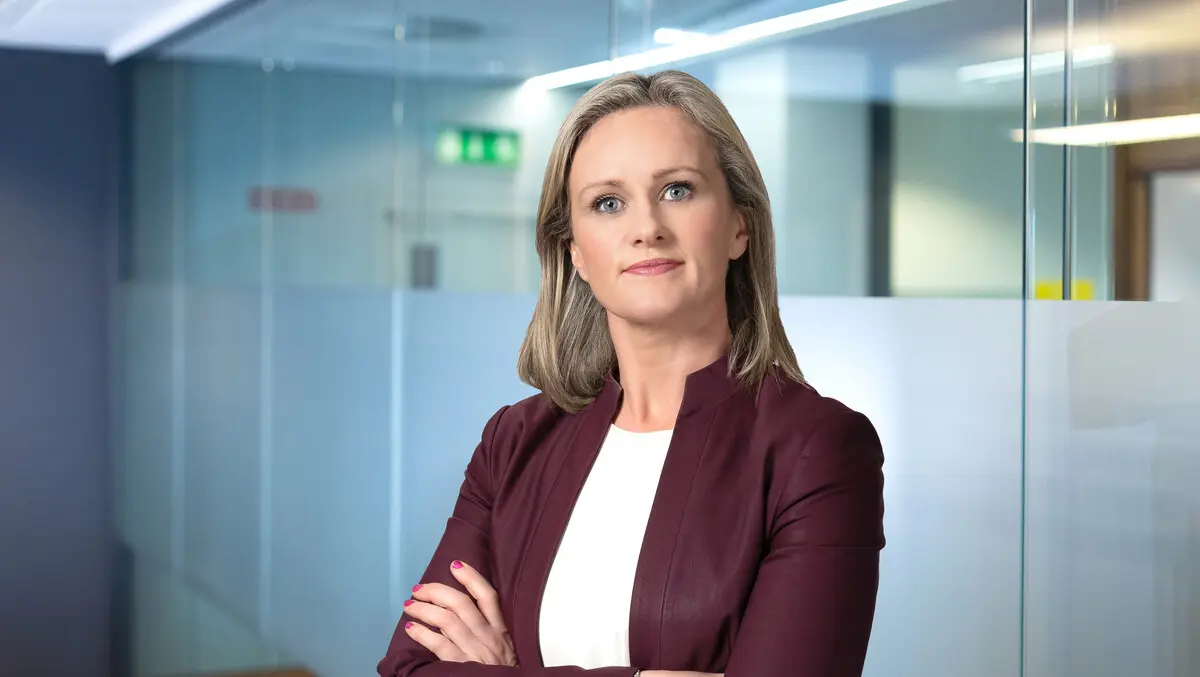
"Irish CEOs are navigating a complex, unpredictable and rapidly evolving landscape. The confidence in their own growth prospects is real, and there is a track record over the past decade of successfully navigating global uncertainty with confidence. Even still, the pace and scale of the geopolitical upheaval is extraordinary, and geopolitical risk is no longer a background concern; it is a day‐to‐day operating reality, shaping decisions on costs, supply chains, capital and growth," said Helena O'Dwyer, Partner and Head of Strategy at EY-Parthenon Ireland.
She said smaller companies face a different set of pressures.
"From conversations with clients we know, however, that for mid-sized businesses in particular, the challenge is somewhat different. They may lack the scale of management capacity to find the time to actively manage these issues, or struggle with the level of working capital or technology to be able to address issues or take advantage of opportunities. These leaders are more focused on keeping income steady, reducing costs, looking after staff, and staying connected to customers," O'Dwyer said.
Changing expectations
The data indicate that many companies no longer treat AI spending as a trial phase. Instead, boards and executive teams appear to be asking how investment translates into measurable business outcomes and how organisations should adapt their workforces to reflect that change.
"CEOs increasingly are not asking whether to invest in AI, they're asking what it's delivering and what comes next. The focus has shifted firmly to results, and that's starting to change how work is organised across businesses. We're seeing companies move beyond pilots and build AI into core operations, but that shift also brings a workforce challenge. Many organisations know they need to reskill and redesign roles to make the most of AI, but progress isn't always straightforward. There can be resistance to change at all levels, and for smaller and mid-sized businesses in particular, training and transformation have to happen in step with day-to-day delivery," Carol Murphy, Partner, Head of Markets at EY Ireland, said.