

Chartered Accountants Ireland urges AI support for SMEs
Thu, 21st May 2026
Chartered Accountants Ireland has called on the Government to invest in AI-ready infrastructure and provide stronger support for small businesses adopting artificial intelligence, as it published a position paper on AI and the accountancy profession.
Now representing more than 40,000 members, the organisation argues that the spread of AI in business will depend on skills, trust and clear oversight, rather than the replacement of professional roles. It says accountants are likely to play a bigger role in governance, assurance and ethical supervision as companies deploy AI tools across finance functions.
The paper rejects the idea that accountants face broad displacement by AI. Instead, it argues that the technology is removing routine, rules-based tasks and shifting more work towards strategy, risk management and decision-making.
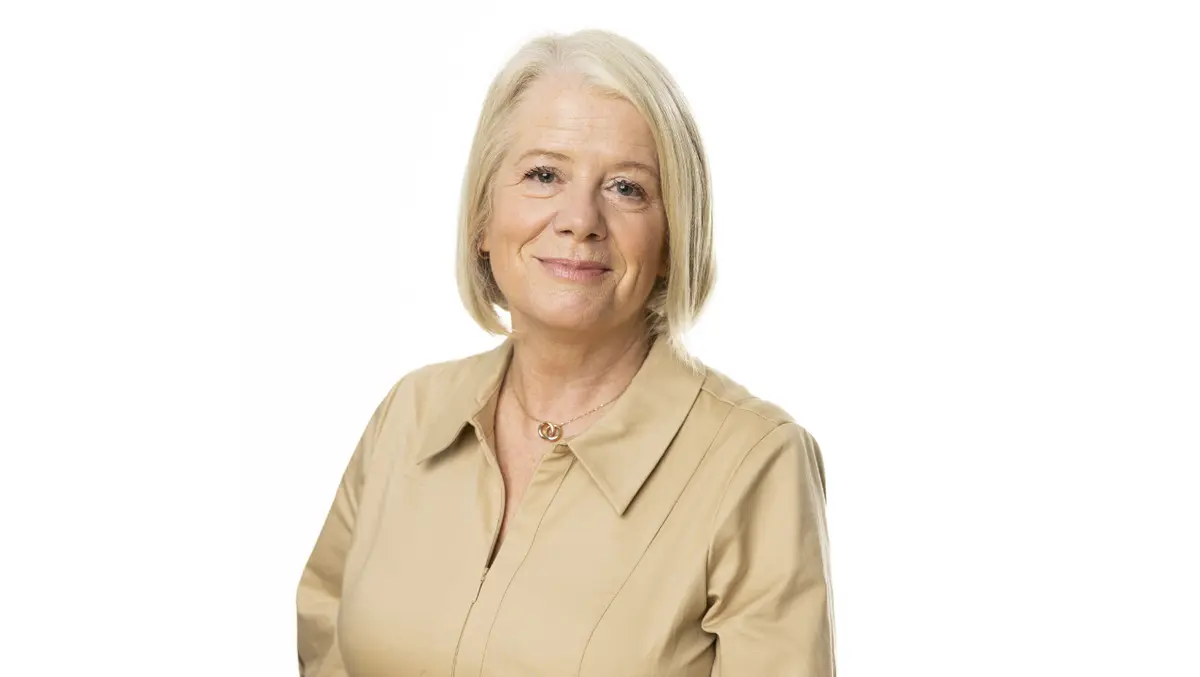
Rosemary Keogh, Chief Executive of Chartered Accountants Ireland, said the profession was already adapting to AI in audit, reporting and advisory work.
"There is a common belief that AI will replace accountants, but the evidence simply doesn't support that. It reflects a misunderstanding of what modern accountants actually do. AI is automating routine, rules-based work and most accountants welcome that. It frees them to focus on higher-value roles such as strategy, risk and decision-making," said Keogh.
"The AI economy will run on trust. While AI can process extraordinary volumes of data, automate complex tasks and generate insights at unprecedented speed, trust in those outputs depends on human oversight, ethical judgement and professional accountability. As AI systems become more widely used, the need for trusted financial information will only grow - and this is where accountants add real value," she added.
Policy demands
A central part of the paper focuses on public policy. Chartered Accountants Ireland says ministers should make state-backed AI support easier for small and medium-sized enterprises to access, particularly through agencies such as Enterprise Ireland and Local Enterprise Offices.
It also calls for wider AI literacy among business owners and employees, arguing that cost remains a barrier for many smaller firms trying to understand and apply the technology. For many of these businesses, accountants remain the main external advisers on financial controls, compliance and investment decisions.
Another recommendation concerns infrastructure. Ireland needs stronger foundations for AI deployment, including data centres, electricity generation and investment in the national grid, if businesses are to use the technology reliably.
The paper also says Ireland should use its position during its EU Presidency to push for proportionate AI rules for business and support simpler digital regulation across the bloc. It argues that clear guidance and practical tools will matter as much as the legal framework itself.
Skills pipeline
Education is another focus. Chartered Accountants Ireland says AI literacy should be embedded across secondary, further and higher education so students understand both the opportunities and risks associated with the technology.
The institute links that argument to changes it has already made to professional training. Its ACA syllabus has been revised over several years to include robotic process automation, data analytics, cybersecurity, blockchain, and accounting for digital assets.
It says those changes are now being used as an international model by accountancy education bodies in other markets, and that the overhaul covered both course content and the delivery of training.
Research cited by the organisation suggests the profession is broadly open to AI. Findings from Chartered Accountants Worldwide showed 85% of respondents were willing to use AI tools in their work, rising to 91% among younger respondents.
Growing membership
The publication of the AI paper coincides with growth in the institute's membership base. Chartered Accountants Ireland now represents more than 40,000 members across more than 100 countries and educates 8,600 students.
Its scale increased after the incorporation of members and students from CPA Ireland, creating what it describes as the largest professional accountancy body on the island of Ireland. It says that growth reflects continuing demand for chartered accountants in the Irish economy, with the occupation still appearing on the Government's Critical Skills Occupation List.
Keogh said that position places accountants close to the practical decisions many smaller firms now face on AI adoption.
"Reaching 40,000 members marks a milestone for Chartered Accountants Ireland, reflecting sustained growth and the enduring relevance and trust placed in the profession across Ireland. Chartered accountants continue to be widely sought after in this country, as highlighted by the profession's ongoing inclusion on the Government's Critical Skills Occupation List.
"For many Irish SMEs, their accountant is their main, and often only, adviser. That puts the profession at the frontline of responsible AI adoption: helping businesses assess and manage risk, comply with the law and make informed investment decisions," Keogh said.