Workplace automation stories
With most firms using AI in daily work but few staff ready for it, the programme targets non-developers handling sensitive data and automations.
Fake candidates and AI-written applications are exposing how weak resume screening is, forcing employers towards work samples and live verification.
Databricks has introduced an AI retrieval model that adjusts search depth to query complexity, aiming to reduce latency on simpler requests.
As staff hand more tasks to AI agents, firms need audit trails and policy controls to stop unauthorised access and risky data moves.
The real risk is not sentient machines but systems that can shape loans, jobs and treatments before humans can meaningfully intervene.
Users can now query Euromonitor's market data inside Microsoft 365 Copilot, with every answer citing sources to reduce AI errors and risk.
The investment gives HiBob fresh backing to turn HR records into AI-ready business context as employers automate more day-to-day work.
Security teams now have to police shadow AI in browsers, where Reco says Browser Guard can block prompts, data leaks and rogue actions.
Despite a surge in workplace use, most firms still cannot show whether AI is paying off, with only 8% tracking impact with clear KPIs.
Businesses could slash AI spending as Glean says its desktop workspace used 81% fewer tokens than Claude Cowork in tests.
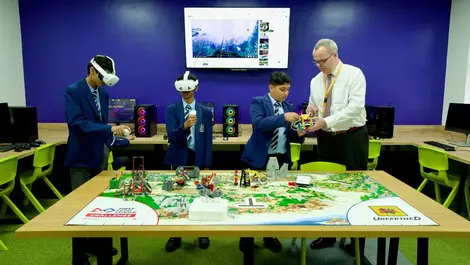
Teachers' lack of AI confidence is fuelling a push for wider digital training, after Stephen Norbury won a national education award for whole-school use.
Most Australian firms using AI still lack a settled view on liability, even as 61% insist humans should review major decisions first.
Public anxiety over jobs, power bills and harmful content is pushing AI to the centre of New Zealand's election campaign.
Security fears and a skills gap are holding back UK small firms, even as nearly half now use AI and more plan to adopt it.
Australia could miss the productivity gains from artificial intelligence unless small firms get more practical support to use it across their operations.
Pressure to lift output is pushing Kiwi businesses to embed AI in daily communications, with labour productivity up to 40% below peers.
Blind contests showed AI can speed PR drafting, but Hyundai Card still prefers human judgment for final messaging and brand voice.
More than 90 credit union and community bank leaders weighed AI's efficiency gains against fraud and service risks at Eltropy's summit.
Enterprise security teams are treating women's AI scepticism as foresight, as agentic systems expose the governance risks many had flagged earlier.
Routine design admin is where AI is already easing pressure on architects, leaving more time for judgement, care and client work.