Mobility-as-a-Service (MaaS) stories
Australia's truck driver shortage is set to triple by 2029, pushing fleets towards data tools that could make autonomy viable.
New robotaxi projects in Taiwan, Southeast Asia, Europe and Saudi Arabia could help Nvidia turn Drive Hyperion into a standard platform for fleets.
Cities could gain clearer insight into parking demand and enforcement as SenSen and Turnstone join forces on real-time curb data across North America.
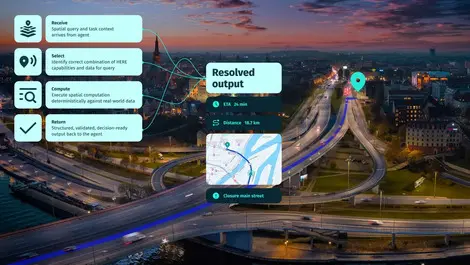
Businesses using AI for routes and dispatch could cut errors and costs as HERE adds a dedicated layer for spatial computation.
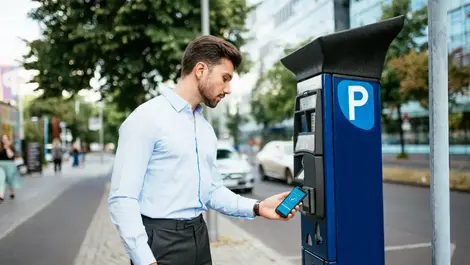
Drivers and passengers could see faster card and wallet payments at kiosks in more than 30 countries as the firms begin pilot programmes in 2026.
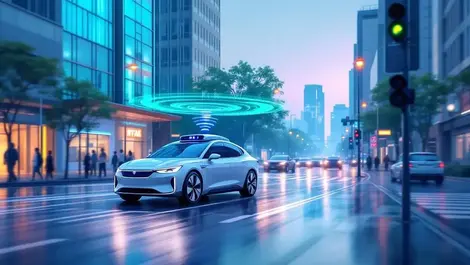
Access to raw radar data could help self-driving fleets train software and move beyond tightly controlled pilot zones.
Consumers are set to encounter AI in robots, transport and personalised shopping, as Forrester says business returns will arrive sooner than expected.
Lower weekly payments could widen access to BYD electric cars as Karmo's novated subscription starts at AUD $126.16 in Australia.
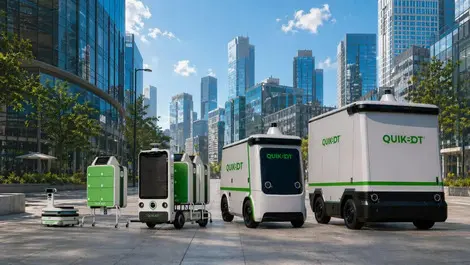
The tie-up could speed up autonomous parcel drop-offs in dense cities by linking road vehicles with building access systems and door-to-door handovers.
Live interviews at MOVE 2026 will give executives a new forum to discuss mobility technology, with more than 250 speakers expected.
More than 3,000 transport leaders will gather in Detroit next year as the programme expands to cover cybersecurity, AI and autonomous shuttles.
The filing could sharpen competition in driver monitoring and telematics as insurers and fleet operators seek faster risk and incident alerts.
The tie-up gives Australian drivers a single-fee route into EVs, bundling cars, charging and running costs without a long lease.
Toronto could soon see driverless vehicles on its streets as Uber pushes for federal rules and partners to launch them locally.
Rising losses are putting pressure on operators and insurers as London's e-bike fleet grows, with thefts up 21% to a record 2,966 last year.
Cities could cut costly signal timing work by half as Miovision combines analysis, plan design and remote deployment in one workflow.
Despite widespread trust and security fears, 15% of Singapore consumers have used autonomous AI in the past six months, EY found.
Fleet operators face rising losses as unauthorised use, now nearly 40% of thefts, complicates recovery and pushing up costs.
The new section will put cyber risk and data security alongside connected-vehicle tech as transport operators face rising safety concerns.
Urban parcel firms could cut last-mile costs and speed deliveries by about 20 per cent as autonomous cargo bikes start to mature.