Intellectual property stories
Security teams can now spot suspicious repository activity and restore only malicious changes in GitHub and Azure DevOps after identity-based attacks.
Creators could gain new protections from commercial AI style copying as Adobe lobbies regulators in several countries for clearer licensing rules.
Families will be able to pay from $49 for the first Australian run of the walk-through quest, which opens on 18 December at Luna Park Sydney.
Security teams can now prioritise AI agent exposures by linking permissions to sensitive data across business systems, Reco said.
Brands can now escalate complex IP complaints on Temu through a dedicated IACC-backed channel, with responses promised within 48 hours.
Biotech researchers could gain tighter control over sensitive data and slower simulations as Google Cloud separates planning, computation and oversight.
The new system could cut production time and costs for broadcasters and streamers while tying adverts more closely to viewer data.
The acquisition gives Tech Mahindra direct control of software used by banks to manage cash visibility, liquidity and account structures across markets.
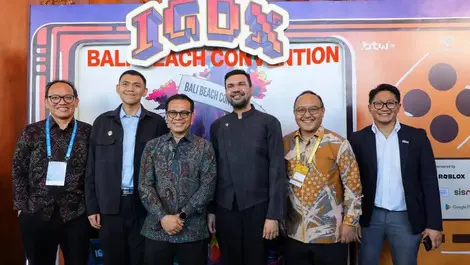
The Bali forum is meant to help Indonesian studios win funding, publishers and overseas distribution as the sector pushes beyond its domestic market.
Businesses and lawyers face rising liability as a Bond University paper says current rules lag behind AI use in decision-making.
Polling suggests Australians overwhelmingly back keeping copyright protections, as 78 per cent oppose letting AI firms use creative works without permission.
Australia's music sector fears AI training could put AUD $227 million in creator revenue at risk by 2028, prompting calls for licensing rules.
Advertisers are being invited into microdrama development earlier as the trio target brand-led mobile series for 2027 audiences across Asia.
The new system let organisers handle more than 80 entries and about 70 judges in under two working days, replacing manual screening.
The new division will test rights-cleared AI production on projects such as an immersive Mohammed Rafi experience, aiming to reassure estates and studios.
Nearly two-thirds of UK project-based firms are worried about cyber risk, after 70% were targeted in the past three years and half lost money.
The service gives organisations an offline back-up for critical records, aiming to improve recovery after cyber attacks and other disruptions.
CrowdStrike says legal practices are prized for privileged data, with financially motivated attackers driving 82% of malicious activity against the sector.
The design is pitched as a way to cut long-term costs and ease permitting pressure for large campuses, with first deals targeted for Virginia in 2027.
Organisations can now keep critical records offline in synthetic DNA, reducing exposure to cyberattacks and offering long-term protection for key assets.