Greenhouse gas emissions stories
The revised financing ties euNetworks' expansion plans to lower-carbon construction choices and ESG performance, covering about two-thirds of emissions.
Data centre operators may gain relief as AMD says its AI systems could use four times less energy per unit of work by mid-2026.
The funding could help cut water-treatment costs and emissions, after trials recovered 90% of spent chemicals at 95% purity.
The project could cut emissions and reduce Denmark's reliance on imported winter produce by heating new greenhouse facilities with surplus data centre heat.
Cloud migration helped NiCE cut Scope 1 and Scope 2 emissions by 23%, while it kept 14% of revenue flowing into research and development.
Tighter queue rules could speed grid access for legitimate projects, but risk pushing more data centre operators towards pricier off-grid power.
Sales of QuadSense climbed more than 50 per cent in New Zealand as Bovonic prepares to scale the mastitis system in the UK and Ireland.
Bin contamination has eased in Southland, but 20 households have already lost their recycling bins after repeat rule breaches.
Winter conditions could force transit agencies to size battery-electric bus fleets and chargers far beyond summer needs, McGill found.
Customers can now cut diesel use and reported emissions on hire fleets, after Stevens Equipment Rental's trial found savings of more than 25%.
Utilities facing higher costs and tighter supplies may soon recover treatment chemicals from wastewater, after the startup secured new backing for pilots.
The higher rating could help Mphasis win business as customers and investors scrutinise environmental, social and governance performance more closely.
The mill could cut its carbon emissions by nearly half as the new electric arc furnace starts turning recycled scrap into steel.
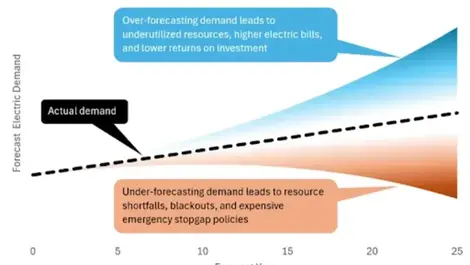
Miscalculating AI-driven power demand could leave ratepayers funding stranded assets or, worse, expose households to blackouts and higher bills.
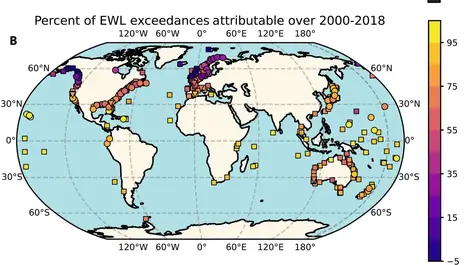
Nearly half of the shorelines studied now see floods that once struck annually only every century, as greenhouse gases reshape coastal risk.
A Christchurch logistics hub will keep climate-damaging refrigerant out of landfill, cutting emissions and easing supply pressures for heat pump owners.
Accelerating heat pump adoption could save households GBP £1.5 billion a year and free up gas for industry as supplies dwindle.
Cleaner power covered all new demand in early 2025, with solar and wind overtaking coal and halting growth in power-sector emissions.
Rail’s economic case is growing, but deferred upgrades and an ageing workforce threaten reliable services and future freight gains.
Australia's waste system is inefficient, but upcycling using advanced hydrogen technology could cut costs, emissions and power a cleaner transport network.