Assistive Technology stories
To turn digital accessibility talk into action, organisations must embed inclusive design, AI and governance across the product lifecycle.
Private 5G and LTE spend will top USD $7.2bn by 2028, as industries shift from public mobile networks to standalone private deployments.
Spending on private LTE and 5G networks is forecast to hit USD $7.2 billion by 2028 as enterprises outpace growth in public mobile systems.
LG showcases “Affectionate Intelligence” at CES 2026, weaving AI through homes, cars and entertainment under “Innovation in tune with you”.
Ecommpay secures full Digital Accessibility Centre approval as its redesigned website and product pages meet WCAG 2.2 AA standards.
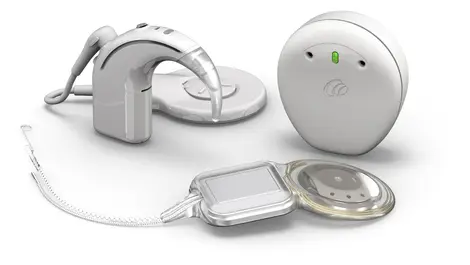
Cochlear debuts Nucleus Nexa, a smart cochlear implant with upgradeable firmware and internal memory, enhancing hearing for Australians with hearing loss.
Research by a University of Calgary PhD student suggests social robots may help ease loneliness among seniors, offering companionship beyond traditional interventions.
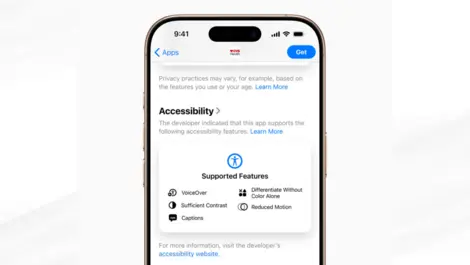
Apple will launch new accessibility features this year, including Accessibility Nutrition Labels, a Mac Magnifier app, Braille Access and an Accessibility Reader.
Apple will launch new accessibility features, including Magnifier for Mac, which enhances device use for people with disabilities, later this year.
BC Transit taps Vancouver tech firm Spare to unify handyDART bookings and oversight across 29 British Columbia communities.
Student founders and early-stage teams took centre stage at Mumbai's HABITia '25, pitching innovations to investors, mentors and industry leaders.
Nearly half of UK IT websites fail basic accessibility checks, new research warns, risking exclusion of disabled users and lost sales.
A new digital New Zealand Sign Language library, featuring 10,000 signs and avatars, will enhance communication for Deaf Kiwis from early next year.
Singapore's ageing population demands eldercare tech that eases caregivers' stress by offering discreet, context-aware support preserving dignity and autonomy.
Across ten European countries, 12,000 pupils are learning to build AI solutions and startups to help close the continent's AI skills gap.
Zyxel Networks has donated over 1,100 networking devices and software licences to 120 Taiwanese non-profits, boosting digital transformation and services.
Ecommpay has secured DAC certification for its payments platform, meeting WCAG 2.2 AA standards to ensure accessibility for all users.
Australia leads the digital accessibility revolution, adopting WCAG 2.2 standards to ensure online inclusion for all, including 4.4 million with disabilities.
Toronto-based Able Innovations is rolling out its ALTA robotic patient transfer platform across five major Canadian hospitals to ease worker strain and boost care.
Brittany Barry from Proto Hologram will showcase how volumetric displays can enhance sign language understanding at California State University Northridge's conference.