

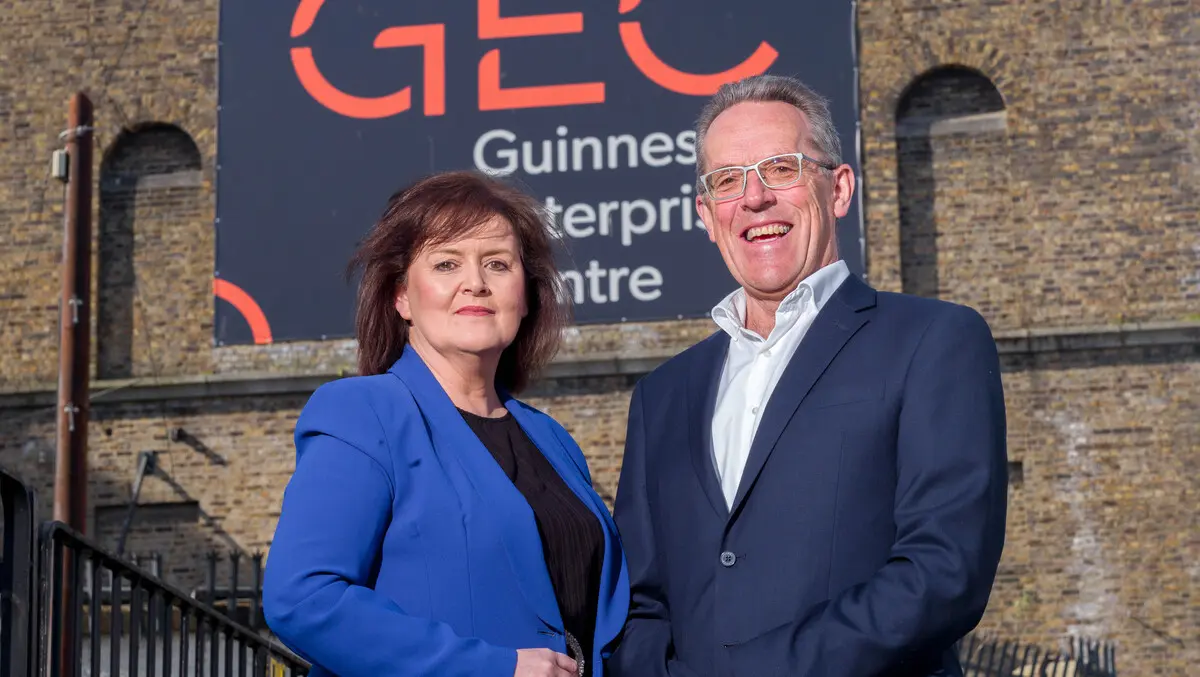
Guinness Enterprise Centre reinvests €50 million in Dublin
Wed, 1st Apr 2026.webp)
Guinness Enterprise Centre has reinvested €50 million into its Dublin start-up campus since opening, reflecting 25 years of investment in facilities for early-stage companies.
The spending has supported 1,500 start-ups and, according to the organisation, has made it the largest non-state investor in facilities for early-stage start-ups in Ireland. Founded in 2000, the non-profit was established by Diageo, Furthr, Dublin City Council, Enterprise Ireland, Local Enterprise Office Dublin City and the Guinness Workers Enterprise Fund.
Located in Dublin's Liberties, the campus has grown from a warehouse linked to the Guinness brewery into a five-storey site that now hosts 160 start-ups. All revenue generated on campus is reinvested into the building and related support services.
Revenue reached €2.56 million last year. It is expected to exceed €3 million this year, with annual revenue projected to reach €4 million by 2030. About €18 million is due to be reinvested over the next five years.
Most income comes from office and co-working space fees, which are kept below market rates to lower the cost of entry for start-ups. The centre also generates revenue from conference and event space rentals.
Campus model
The centre describes itself as a self-financing non-profit in a market where incubators and start-up support facilities often rely on public funding, private operators or both. Management said all revenue generated on site is returned to the campus and its support network rather than distributed elsewhere.
That support includes access to investors, mentors, events and scaling programmes. Companies that have operated from the campus include Black Shamrock, a video game development studio that now employs almost 140 people on site, along with Astatine and Circle Internet Group.
Last year, Astatine signed an €800 million partnership with Aviva Investors to develop a renewables platform. Circle Internet Group is a payments technology company backed by Goldman Sachs.
Niamh Collins, Centre Director at Guinness Enterprise Centre, said the reinvestment model is central to how the organisation operates. "Since the beginning, every euro we have generated has been reinvested back into our ecosystem. When a company pays rent here, they're not just securing desk space; they're funding the mentor network, the investor connections, and the programmes that will benefit them, along with future generations of entrepreneurs walking through our doors. This has a compounding impact and underlines why our non-profit status is so important to Ireland's start-up ecosystem. By tying our own success to the success of our start-ups, we breed more success," Collins said.
Long record
Chairperson David Varian said the organisation has continued to invest through several economic downturns while keeping the same structure. He contrasted that record with a broader European trend in which entrepreneurial infrastructure has become more commercial or more reliant on the state.
"Few European start-up campuses can point to a comparable level of long-term, self-financed reinvestment, and that distinction matters enormously in an era where entrepreneurial infrastructure is increasingly commercialised or state-dependent. What we have built is genuinely rare: a self-sustaining model that has weathered multiple economic cycles - the dot-com crash, the financial crisis, Brexit, a pandemic - while never wavering from our core mission," Varian said.
He linked the campus's development to changes in Ireland's wider start-up market over the past quarter century. "Twenty-five years ago, Ireland had little formal start-up infrastructure and entrepreneurs often had to look abroad for resources and credibility. Today, Ireland is exporting start-ups globally, and the Guinness Enterprise Centre has been instrumental in that transformation," he said.