

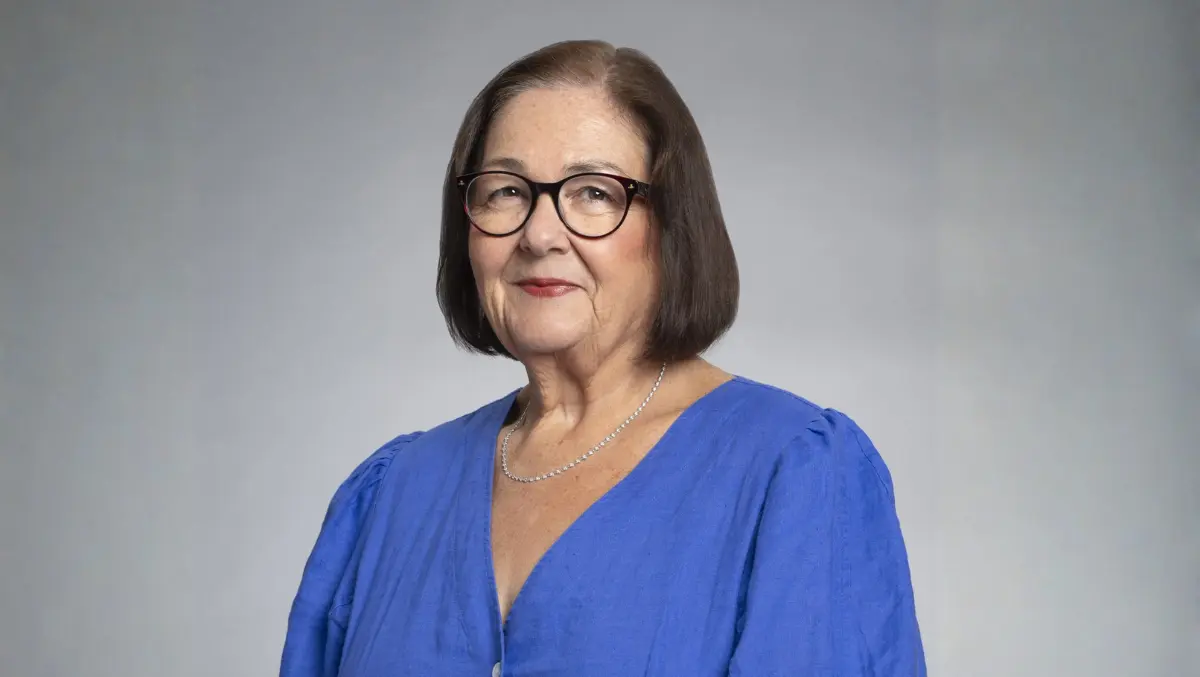
Building trust & confidence in hybrid work for women
Fri, 6th Mar 2026
Workplaces are evolving at a pace few of us have experienced before. The expectations are higher, and boundaries between markets and time zones are increasingly fluid. In a hybrid world, building an environment that is both high-performing and genuinely inclusive takes more thought and intention than it once did.
Our recent expansion into the UK has meant leading cross-border teams from Australia, navigating early mornings and late evening calls alongside the constant rhythm of global connectivity. Growing our footprint across regions is energising, but it also brings a level of intensity that calls for discipline, clarity and, above all, trust.
Hybrid work has reshaped how relationships are built. Flexibility has opened important doors, particularly for those balancing responsibilities beyond work. At the same time, it has reduced some of the informal interactions that quietly shape careers, whether it is the conversation that continues as you leave a meeting, the discussion you overhear that sparks a new idea or the spontaneous mentoring moment that helps build confidence. These small exchanges matter more than we often acknowledge.
And then there's the challenge that's harder to talk about: the internal one.
Over the years, I've seen incredibly capable women hesitate and doubt themselves, not because they lack skill, but because they lack certainty. I've done it myself. When I applied for my first senior executive role, I instinctively listed everything I couldn't do rather than the experience I already had.
We often talk about systemic barriers and they absolutely exist, but we don't talk enough about the self-imposed ones. The voice that says, "You're not quite ready." The habit of only applying for roles when you meet every requirement or only speaking up in a meeting when you are 100% sure. The generational messaging many of us grew up with focuses on what is "safe", "appropriate" or "humble". These internal narratives can quietly erode confidence and impact career growth.
Consciously making the shift
Leaders must move beyond policy and focus on culture. Flexibility cannot just be found in a handbook. It has to be lived. Leaders are wired to be available, but if we don't model boundaries, we can't expect our teams to feel safe setting their own. High performance grows in teams that feel trusted, not monitored. When leaders set and honour their own boundaries, it signals to others that they can work sustainably too.
Building high-performing teams also requires a deliberate approach to growth. Leadership isn't just about having the answers; it's about creating space for others to learn, make decisions and stretch themselves.
Part of my role is to help my team grow as leaders in their own right: giving them the trust, support, and guidance they need to manage challenges and navigate change. This involves stepping back from operational tasks and details, letting them make decisions and being available as a sounding board rather than directing them. It can feel uncomfortable at first, both for the leader and team, but by giving people the space, it helps to build resilience, capability and confidence.
It also benefits leaders by freeing up time to focus on strategic priorities while knowing the work is in capable hands. High-performance teams are not created by doing everything yourself; they are built by nurturing others to take ownership, solve problems, and grow through experience.
Individuality matters
Leaders must make an effort to truly know their people. It takes a village to build a high-performing team and each individual brings their own nuances, strengths and aspirations. Investing time in understanding what motivates each team member, how they respond to challenges and the personal and professional goals they are pursuing allows leaders to provide tailored guidance and support. These insights help leaders understand how their employees work best, allocate responsibilities effectively and foster collaboration across the team. When people feel seen and understood, engagement rises and the team is better equipped to navigate change, confident to convey their ideas, solve problems creatively and achieve shared goals.
The way forward
For women navigating their own careers, my best advice is to build a "library" of mentors, not just one. Some will push you, some will steady you and some will remind you what you are capable of when your self-talk is less kind. Mentorship does not have to be formal. It often starts by asking someone you respect for perspective.
Be brave with opportunities. If you meet most of the criteria, apply. Every significant role I have taken involved an element of risk and doubt and those were the roles that stretched me the most.
Do not wait for perfect timing, there will always be competing demands, family, finances, self-doubt and uncertainty.
Careers are rarely linear or neatly planned. The last few roles I've taken were not part of some grand strategy. They came with a degree of "heart in mouth" uncertainty, but growth rarely feels comfortable at the outset.
International Women's Day shouldn't just be about identifying what's wrong. It should be about asking what we're willing to achieve more of. If leaders can build cultures grounded in trust and authenticity and if women can challenge the quiet narratives that hold them back then the future of our industry won't just be more inclusive, it will be stronger, more resilient and more human.